Key Takeaways:
- Preparation before painting is very important for getting a good result.
- Surface-specific primers and paints are necessary for getting the best results.
- Using the right method and process is important for a professional paint finish.
- Safety is the most important painting tip; all projects should use safety gear and have good airflow.
Updating a room with a fresh coat of paint can feel overwhelming. Many people shy away from painting, fearing a messy finish, but achieving a stunning, professional look is possible with the right interior painting tips and tools. Let’s take the mystery out of painting and discover how to paint a room beautifully.
What Are The Benefits Of Painting Your Space?
Beyond simply changing the colour of your walls, painting reveals a world of benefits. Refreshing your paint improves the aesthetics of your space, especially in basements, which often suffer from outdated and dark environments. A new colour can instantly brighten a basement, making it more inviting and spacious, but it also goes beyond visual appeal.
Painting also has protective qualities. In basements, where moisture can be a concern, quality paint is a barrier against mould growth, which is important for maintaining a healthy living environment. It provides a layer of general wall protection, shielding surfaces from everyday wear and tear and extending the lifespan of your walls.
Painting Tips Preparation
Interior painting tips and tricks begin with thorough preparation. This ensures a smooth and successful project. Proper prep work is the foundation for a flawless finish.
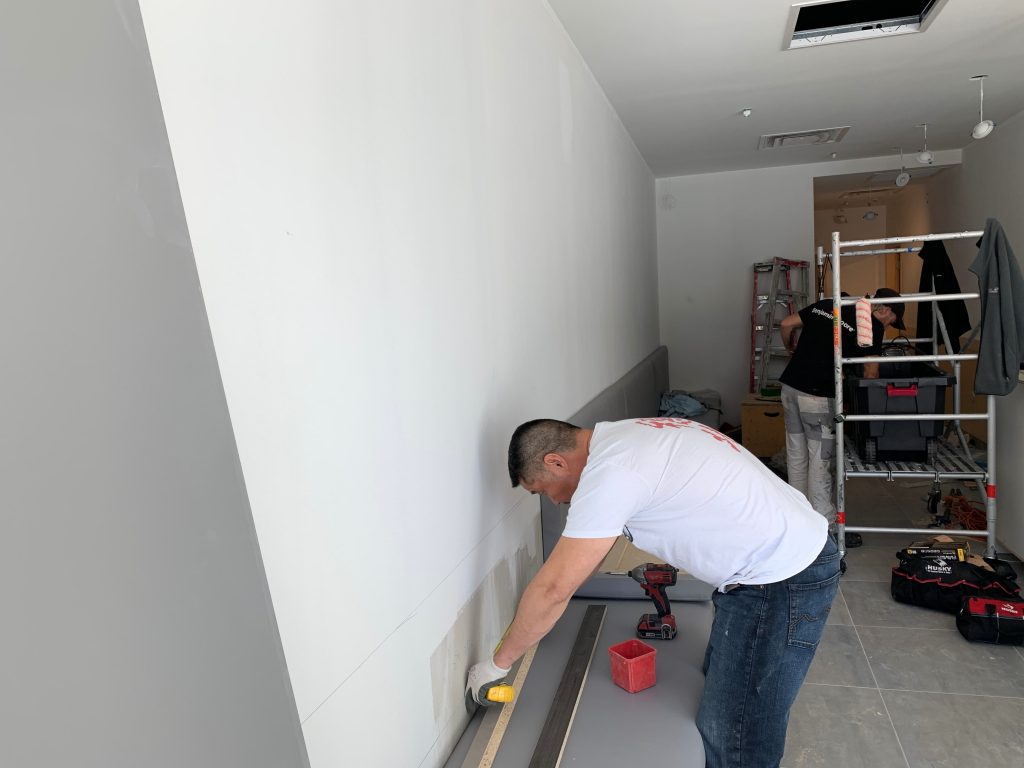

Tools You Will Require For Painting
To paint the inside of your home like a pro, you need to have the right tools. These interior painting tips will guide you toward the proper tools and their uses:
House Painting Tips Safety Measures
Safety is the number one priority when painting. These tips and tricks will help you stay safe.
Wear Protective Gear
Protect yourself from substances that could hurt you. Gloves protect your hands from paint and chemicals, goggles keep splashes from hurting your eyes, and a face mask keeps you from breathing in too many paint fumes and dust particles, making your workplace safer and more comfortable.
Use A Ladder
Ladder safety is very important when painting high walls or ceilings. Make sure the ladder is stable and flat and that you always have three points of contact. Don’t reach too far; move the ladder as needed to avoid falling.
Well-Lit Work Area
You need enough light to paint properly. The right lighting keeps you safe and lets you see any flaws or spots you missed. Use extra lighting, especially in poorly lit places.
Good Ventilation
Paint fumes can be dangerous if inhaled in large amounts. Cross-ventilation means opening windows and doors, and fans can also move fresh air around.
Follow All Safety Instructions
Always read and understand the safety guidelines the manufacturer has provided with their products. There may be different safety rules for different paints and chemicals. Following these instructions will help you use the products safely and effectively.
Painting Tips 101 – Apply Primer
Priming is the most basic painting tip and trick for a flawless finish. Primer creates a bonding layer between the surface and the paint, preventing the paint from soaking in unevenly and requiring multiple coats. Here are essential tips for interior painting when priming different surfaces:


Basement Paint and Finish Factors to Consider
When painting your basement, you should keep a few things in mind to ensure the finish lasts. These are some indoor painting tips, specifically for basements:
What is the Most Popular Wall Colour?
Painting also has protective qualities. In basements, where moisture can be a concern, quality paint is a barrier against mould growth, which is important for maintaining a healthy living environment. It provides a layer of general wall protection, shielding surfaces from everyday wear and tear and extending the lifespan of your walls.
Painting Tips Common Mistakes
These common mistakes can ruin your painting projects, even when you try and do a good job. To get a skilled finish, you need to avoid these mistakes. Here are some painting tips to remember:
- Consider Lighting: If you don’t consider natural and artificial light, unexpected colour changes can occur. Watch how the light hits your walls at different times of the day to ensure that the colour you choose complements the room.
- Apply Multiple Coats: When you use just one coat too quickly, the coverage isn’t always even, and the finish doesn’t shine. Putting on several thin coats will ensure the colour stays smooth, bright, and long-lasting.
- Research Proper Paint Type: If you use the wrong paint for the surface or setting, it might peel, bubble, or not stick well. Research and choose paints made for certain places, like bathroom paint that isn’t water-damaged.
- Make Sure the Wall is Prepared: If you skip steps like cleaning, sanding, and fixing the walls, the finish will be uneven. For the best paint bonding, make the surface smooth and clean.
Indoor Painting Tips – How to Start Planning?
Planning is very important for home painting tips that work. These painting tips and tricks will show you the best order to do things so you get a professional finish.
- Ceiling Goes First: Start with the ceiling to prevent drips and splatters from landing on freshly painted walls. This minimizes touch-ups and leaves a cleaner finish.
- Trim Painting, Windows, & Doors: Once the ceiling is dry, move onto trim, windows, and doors. Painting these before the walls allows easier cleanup of accidental paint marks.
- Paint the Walls: After the trim is complete, paint the walls. This prevents wall paint from getting onto freshly painted trim, maintaining crisp lines.
- Paint the Baseboards Last: Finish by painting the baseboards. This final step conceals any drips or splatters that may have occurred during the wall painting process, completing the room.
To Sum Up Painting Tips
Mastering our interior painting tips will transform the look of your area and create a space you’ll love to be in. Remember that a good plan, which includes fixing any damage and protecting your furniture, is the key to success.
The right tools, like good brushes and rollers, ensure the application goes smoothly. Put safety first by wearing protective gear and ensuring enough airflow. These painting tips and tricks will help you get a skilled finish and give your home a new look.


